

That sudden squeal, grind, or jarring pop from your garage isn’t just noise. It’s the language of your garage door – a clear warning that something is wrong. Ignoring these sounds is a gamble with your home’s safety, turning a small issue into a potentially catastrophic failure. Learning to interpret them is the first step to preventing a costly emergency repair.
The High-Pitched Squeal: A Plea for Lubrication (Or a Sign of Worse)
This is one of the most common and, thankfully, often one of the easiest noises to address. That ear-piercing squeak or screech as the door moves along its tracks is usually a sign of metal-on-metal friction.
The rollers, hinges, and springs of your garage door require regular lubrication to operate smoothly and quietly. Over time, this lubricant wears off, leaving the metal components to grind against each other.
The Cause: Most often, the culprits are the steel rollers moving within the metal tracks. The hinges that segment the door panels can also dry out and begin to protest loudly with every movement. Torsion springs, mounted above the door, can also bind and create a high-pitched noise as they wind and unwind.
The Risk: While it may seem like a simple annoyance, prolonged friction creates excessive wear and tear. It can cause rollers to seize up or wear down unevenly, putting immense strain on the garage door opener’s motor.
This added stress can shorten the lifespan of your opener and lead to more significant mechanical failures down the line. A simple squeak today could be a burnt-out motor tomorrow.
The Solution: The squeal can frequently be stopped by lubricating all moving parts with a premium white lithium grease lubricant or silicone-based lubricant made especially for garage doors.
Avoid using heavy greases or WD-40, as they can attract dirt and gum up the works. If lubrication doesn’t solve the problem, the noise could be coming from worn-out rollers that need to be replaced by a professional.
The Jarring Pop or Bang: A Spring Under Extreme Tension
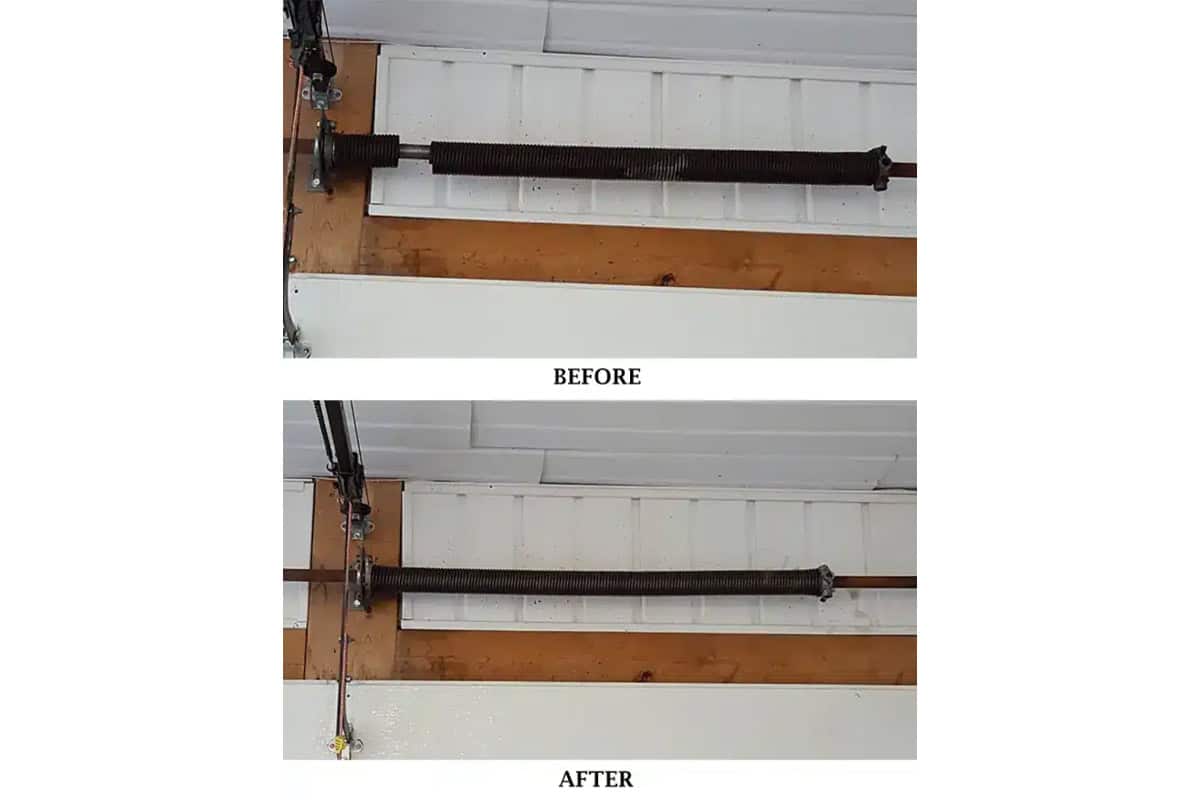 This is a sound that demands immediate attention. A loud, sharp “bang” or “pop,” often sounding like a gunshot echoing through your garage, is an unmistakable sign of trouble. This noise usually means one of the two types of springs that counterbalance the immense weight of your door (torsion or extension springs) has broken.
The Cause: Torsion springs, located on a metal rod above the door opening, and extension springs, which run alongside the overhead tracks, are under constant, extreme tension. They are rated for a specific number of cycles (one cycle is one full opening and closing of the door). After 10,000 to 15,000 cycles, metal fatigue sets in, and they are prone to snap.
The Risk: This is the most dangerous failure a garage door can experience. The springs are responsible for lifting the door’s full weight, which can be anywhere from 150 to 400 pounds. When a spring breaks, the door is no longer counterbalanced. Trying to open it with the automatic opener can strip the gears or burn out the motor.
If you attempt to lift it manually, you are attempting to lift the door’s dead weight, which can lead to serious injury. The door could also come crashing down unexpectedly. Do not, under any circumstances, attempt to operate the door or replace the springs yourself.
The Solution: This is a job exclusively for a trained and insured professional. Spring replacement requires specialized tools and a deep understanding of the tensioning system.
A technician will not only replace the broken spring but will also recommend replacing both springs at the same time. Since both springs have been subjected to the same number of cycles, the second one is likely not far from breaking as well.
The Grinding or Rumbling: A System Under Strain
A deep, guttural grinding or a shaky, rumbling sound often points to a problem with the garage door opener itself or a misalignment in the door’s path. This noise suggests that components are struggling to perform their function, fighting against an unseen force.
The Cause: The most common source of a grinding noise is a stripped gear inside the opener unit. The main drive gear is often made of nylon and can wear down over time, causing the chain or belt to slip and grind.
Another cause could be debris in the tracks or a significant misalignment of the tracks themselves, forcing the rollers to scrape and struggle instead of gliding smoothly. The door might be moving unevenly, putting a heavy, off-balance load on the opener.
The Risk: Continuing to operate a door that is grinding and rumbling is a recipe for a complete breakdown. If the opener’s gear is stripped, it will eventually fail entirely, leaving your door inoperable.
If the issue is misaligned tracks, the door could potentially come off its tracks, a hazardous situation that leaves your garage unsecured and the door dangerously unstable. This can lead to a situation where a simple repair escalates to a full garage door replacement in Ottawa.
The Solution: Although a quick check can help you distinguish between a balance issue and an opener problem, the final diagnosis and repair should always be left to a trained technician to ensure the solution is both safe and effective.
The Rattling Racket: Loose Parts and Vibrations
While some minor rattling can be normal, a loud, persistent rattling that seems to get worse over time is a sign that your door’s hardware is loosening. Think of it as your garage door telling you it needs a tune-up.
The Cause: The constant vibration from opening and closing the door can cause nuts and bolts throughout the system to loosen. This can affect the tracks, hinges, and the opener’s mounting brackets. An out-of-balance door can also create excessive vibration and rattling.
The Risk: While not as immediately dangerous as a broken spring, loose hardware can lead to bigger problems. A loose track can cause the door to bind or even derail. Loose hinges can put stress on the door panels, leading to cracks. It compromises the structural integrity of the entire system.
The Solution: You can carefully inspect and tighten the nuts and bolts on the door’s hinges and roller brackets. However, be cautious not to overtighten them, and do not touch any components painted red or associated with the bottom brackets, as these are connected to the high-tension spring system.
The best approach to address these systemic issues is through regular maintenance. In the book Maintenance Fundamentals, author R. Keith Mobley states that a predictive maintenance program can minimize unscheduled breakdowns of all mechanical equipment, and your garage door is no exception.
Silence the Noise with Professional Repair
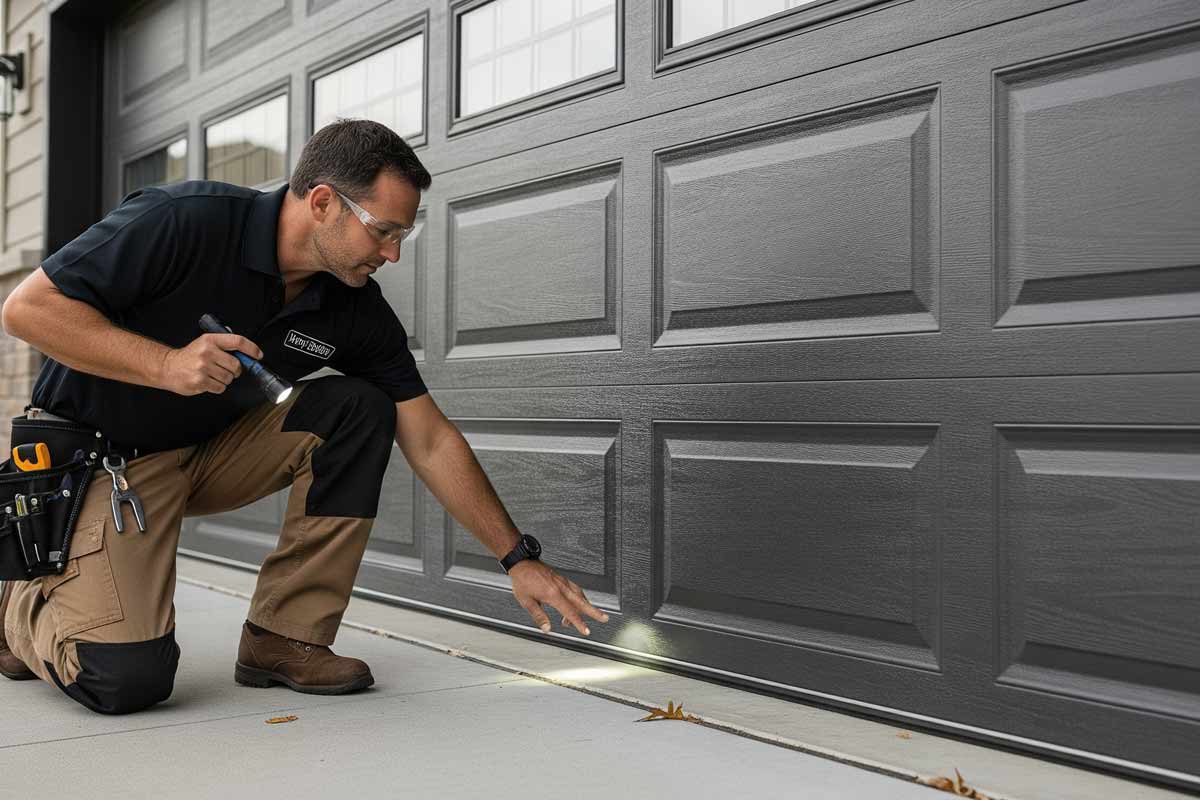 Don’t let a strange noise become a sudden crisis. For expert diagnosis and trusted, professional repair of residential garage doors in Ottawa, turn to the team that prioritizes your safety and satisfaction. Capital Garage Door Ottawa provides transparent pricing, expert workmanship, and unparalleled customer service to restore your peace of mind.
Contact Capital Garage Door Ottawa today at (613) 604-9779 and let us bring the quiet confidence of a job done right back to your home.