
Your garage door is the largest and often the most vulnerable entry point to your home, a wide-open invitation that many homeowners inadvertently leave ajar for opportunistic thieves. Far from being just a place to park your car, your garage often serves as a storage hub for valuable tools, sporting equipment, seasonal decor, and even provides direct access to your home’s interior.
A compromised garage door doesn’t just mean stolen possessions; it can open the door to a complete home invasion, threatening your family’s safety and peace of mind. In a country where community safety is highly valued, ensuring a strong security of this crucial access point is not merely an option but a vital responsibility.
This guide will arm Canadian homeowners with the knowledge and actionable strategies needed to fortify their garage, transforming it from a weak link into an impenetrable fortress.
Understanding the Vulnerabilities: How Thieves Get In
Before we can secure your garage, it’s essential to understand the common methods criminals exploit. Knowledge is your first line of defence.
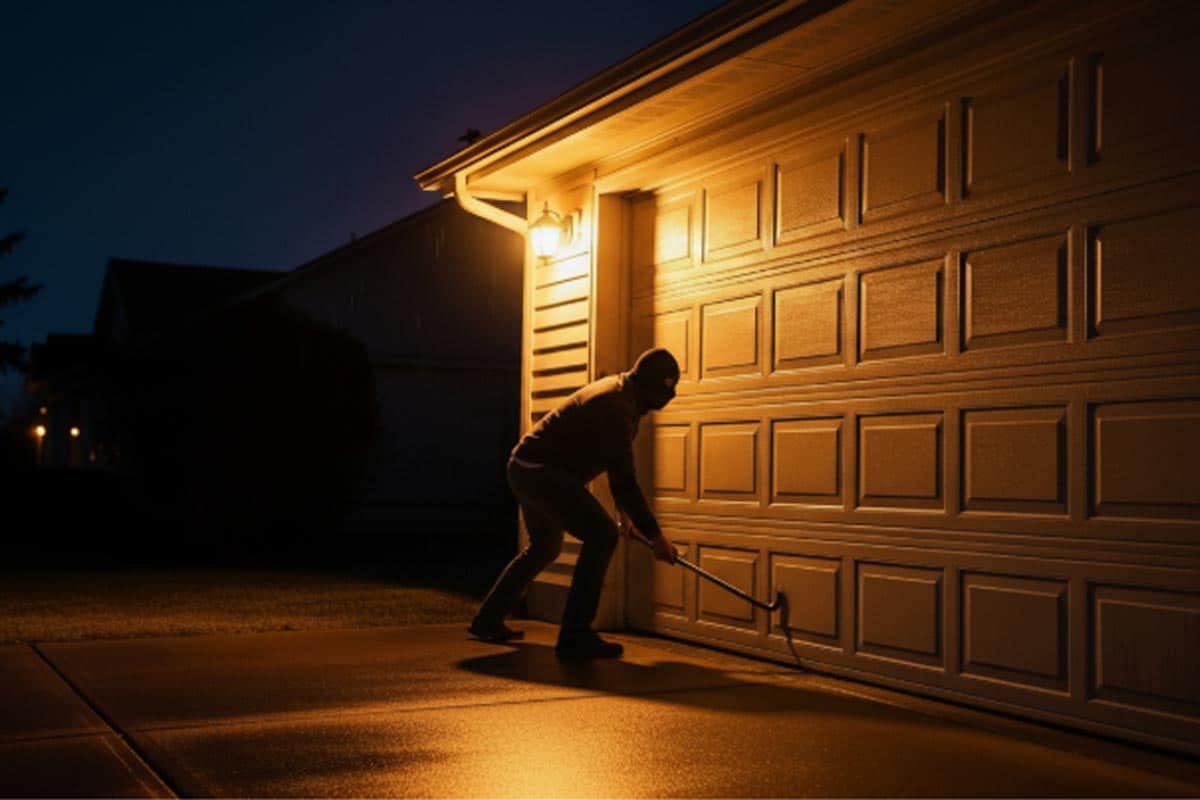
- The Emergency Release Latch Trick: This is perhaps the most notorious and surprisingly simple method. Many garage doors have an emergency release cord that, when pulled, disengages the door from the opener, allowing it to be lifted manually. Thieves use a coat hanger or similar tool to hook this cord through the small gap at the top of the garage door or even through a window, pulling it to gain entry in seconds.
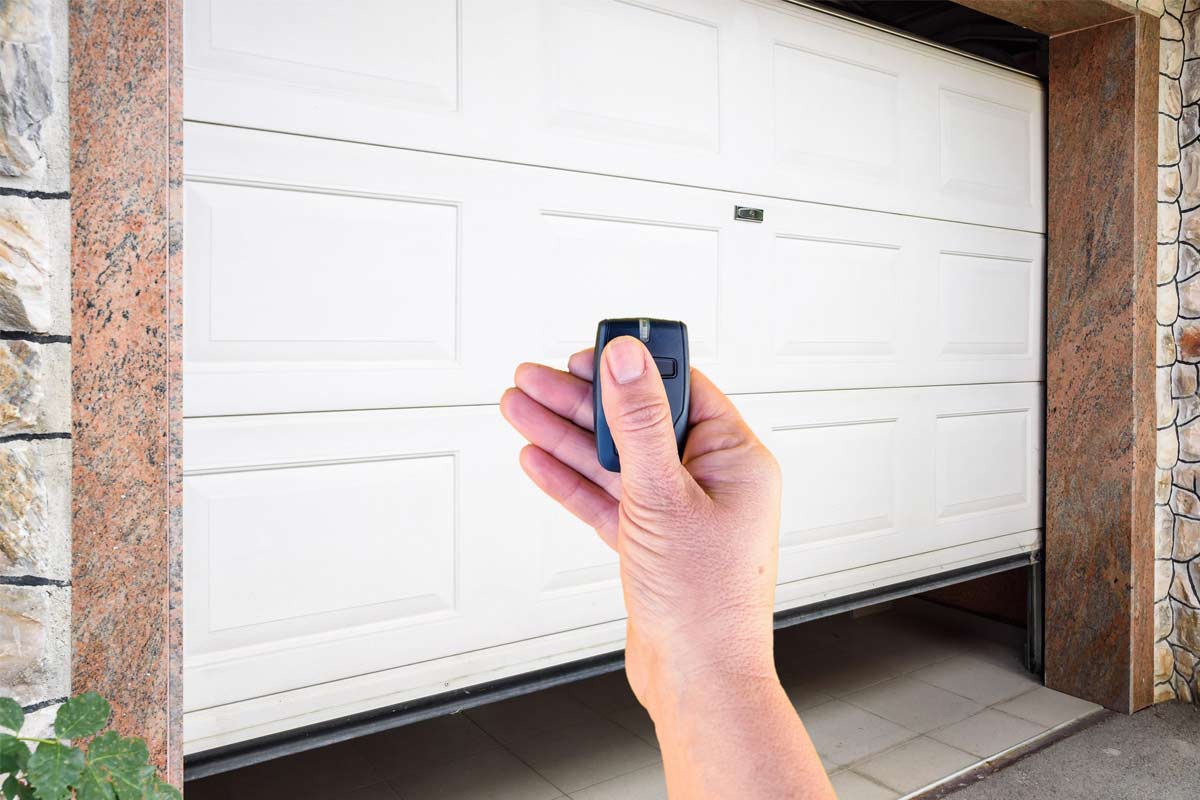
- Weak/Old Opener Frequencies: Older garage door openers (typically pre-1993) often use fixed security codes. This means the code transmitted by your remote never changes. Sophisticated thieves can “grab” this code with a simple device and use it to open your door at will.
- Unlocked Entry Doors: Many garages have an interior door leading directly into the home. If this door is left unlocked, or secured with a flimsy lock, once a thief is inside your garage, they have an easy, hidden entry into your living space.
- Unsecured Windows: Garage windows, particularly those made of single-pane glass, are easy to break or pry open. If they lack adequate locks or security film, they offer another vulnerable entry point.
- Remote in Car: Leaving your garage door remote inside your car, especially if the car is parked outside your home, is akin to leaving your house key under the doormat. If your car is stolen or broken into, the thief gains immediate access to your garage and potentially your home.
- Door Material and Construction: Flimsy or damaged garage door panels, especially those made of thin materials, can be kicked in or pried open with relative ease, especially if the door lacks horizontal reinforcement bars.
Fortifying the Physical Barriers: Making Entry Difficult
A strong physical security is your first and most visible deterrent. Focus on making forced entry as difficult and time-consuming as possible.
- Secure the Emergency Release Latch: This is vital. The simplest and most effective fix is to thread a zip tie or a piece of strong wire through the hole in the emergency release lever, connecting it to the trolley. This still allows you to pull the cord to break the zip tie in an actual emergency, but it prevents a coat hanger from simply hooking and disengaging it. You can also install a small shield or guard over the release mechanism to block external access.
- Reinforce Door Panels: If your garage door has thin or weak panels, consider adding horizontal reinforcement bars, especially to the top panel. These metal bars significantly increase the door’s resistance to forced entry, preventing it from being bent or kicked in. For those considering a garage door replacement in Ottawa, opting for a robust, insulated steel door with multi-layer construction inherently offers superior physical security.
- Upgrade to Robust Locks: Ensure the interior door from your garage to your home has a solid core and is fitted with a high-quality deadbolt lock. Treat this door with the same security measures as your main entry door. For the garage door itself, a manual slide lock on the inside can provide an extra layer of security, especially when you’re away for extended periods.
- Secure Garage Windows: If your garage has windows, make them less inviting. Apply security film to prevent shattering, install bars or grilles, or replace single-pane glass with impact-resistant alternatives. For privacy and to obscure valuable contents, consider frosted glass or simply covering the windows from the inside. Always ensure windows are properly latched and locked.
Leveraging Technology: Smart Solutions for Enhanced Security
Modern technology offers powerful tools to monitor, control, and secure your garage door remotely, adding layers of convenience and protection.
- Upgrade to a Rolling Code Opener: If your opener is older than 1993 and uses fixed codes, it’s time for an upgrade. Modern openers use “rolling code” technology, which generates a new, unique code every time the remote is used. This makes it virtually impossible for thieves to “grab” and reuse your code. Many new openers also feature advanced encryption, further bolstering security.
- Smart Garage Door Openers: This is where technology truly shines. As cited in a study, home security is crucial for the occupant’s safety, and using technology to make homes safer is important (Farhat et al., 2024). Smart garage door openers integrate with your home’s Wi-Fi, allowing you to control and monitor your garage door from anywhere using your smartphone.
- Remote Monitoring: Receive instant notifications if your garage door is opened or left open for too long.
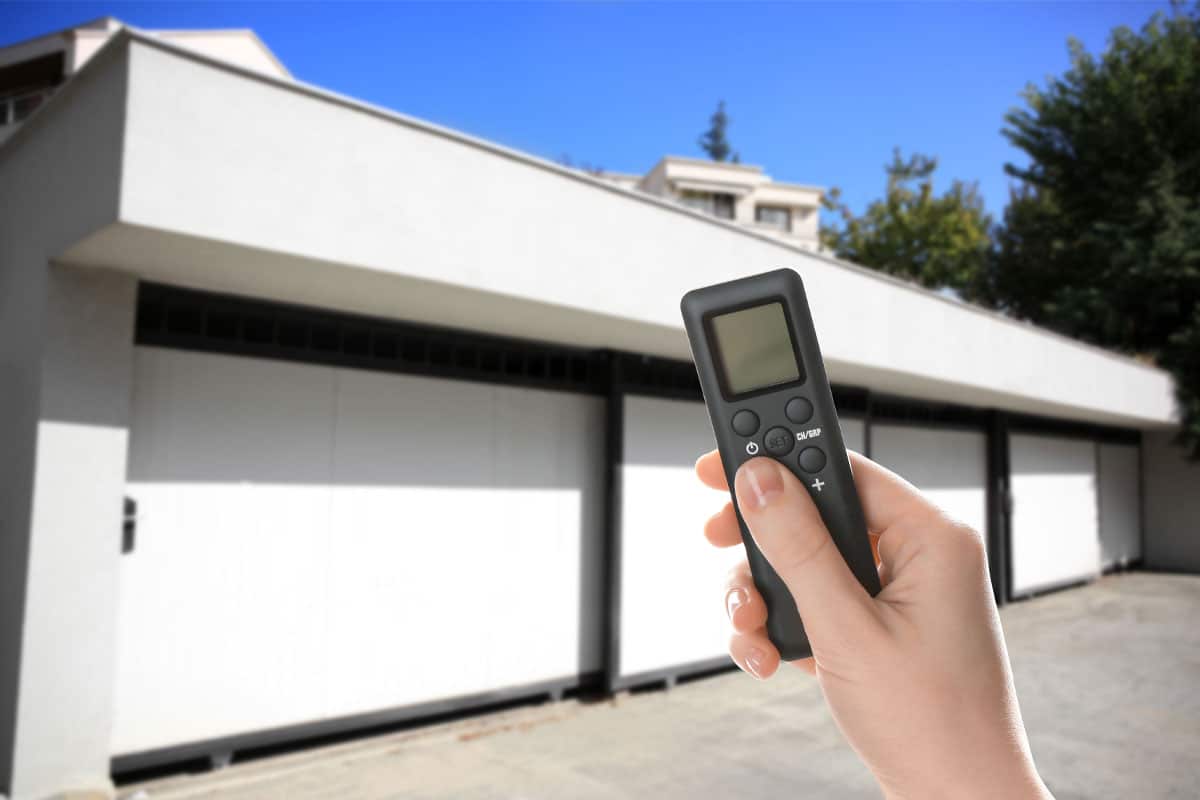
- Remote Control: Open or close your garage door from anywhere, which is invaluable if you forget to close it or need to grant temporary access to a delivery driver or trusted neighbour.
- Activity Logs: Keep a record of when the door was opened and closed.
- Integrated Cameras: Many smart systems offer integrated cameras, providing a live feed of your garage.
- Virtual Keys: Grant temporary, time-limited access codes to visitors without needing to share a physical remote.
- Motion-Activated Lighting: Install motion-sensor lights both inside and outside your garage. A sudden floodlight can deter intruders, making them feel exposed. Inside, motion-activated lights ensure you never enter a dark garage.
- Security Cameras: Strategically placed security cameras, visible from the outside, act as a powerful deterrent. Connect them to a recording system or a cloud service that can alert you to suspicious activity. Look for cameras with night vision and two-way audio for added functionality.
- Alarm System Integration: Integrate your garage door opener and any garage entry doors/windows into your home’s main alarm system. This ensures that any unauthorized entry triggers an alarm, alerting you and potentially monitoring services.
Cultivating Secure Habits: Your Role in Prevention
Technology and physical barriers are only as effective as the habits you maintain. Your daily routines play a critical role in garage door security.
- Never Leave Your Remote in Your Car: This cannot be stressed enough. Take your remote with you or secure it out of sight, preferably with a keychain remote. Better yet, use a smart opener controlled by your phone, eliminating the physical remote entirely.
- Keep Valuables Out of Sight: Avoid leaving expensive tools, bikes, or other valuables visible through garage windows. Use curtains, frosted film, or simply arrange items so they are not an enticing target.
- Lock the Interior Door: Always, always, always ensure the interior door from your garage to your home is locked. Even if your garage is breached, this provides a vital second layer of defence.
- Be Mindful of Open Doors: Don’t leave your garage door open for extended periods, even when you’re home. An open garage advertises your belongings and offers a quick, unobserved entry point for thieves.
- Regular Inspections: Periodically inspect your garage door’s security. Check for signs of tampering, ensure locks are functioning, and test your opener’s safety features.
- Don’t Post Vacation Plans Publicly: Avoid sharing vacation dates on social media, as this could signal an empty home. If you’re away for an extended period, consider asking a trusted neighbour to check on your garage and pick up mail/flyers.
- Consider a Vacation Lock: If your garage door opener has a “vacation lock” feature, activate it when you’re away. This feature disables the opener’s remote control function until you reactivate it, preventing unauthorized remote access.
Protecting your garage door effectively is a multi-layered approach combining physical reinforcement, smart technology, and diligent personal habits. It’s an ongoing commitment, but one that directly safeguards your home, your possessions, and most importantly, your family. Don’t leave this critical entry point to chance.
Fortify Your First Line of Defence
Don’t let your garage be an Achilles’ heel for your home’s security. For expert advice on enhancing your garage door’s defences, from robust physical upgrades to reliable residential garage doors in Ottawa, trust the professionals who prioritize your safety. Capital Garage Door Ottawa provides top-quality products and professional installation to fortify your home effectively.
Take the proactive step towards a more secure home. Call Capital Garage Door Ottawa today at (613) 604-9779 for a consultation and experience true peace of mind.