
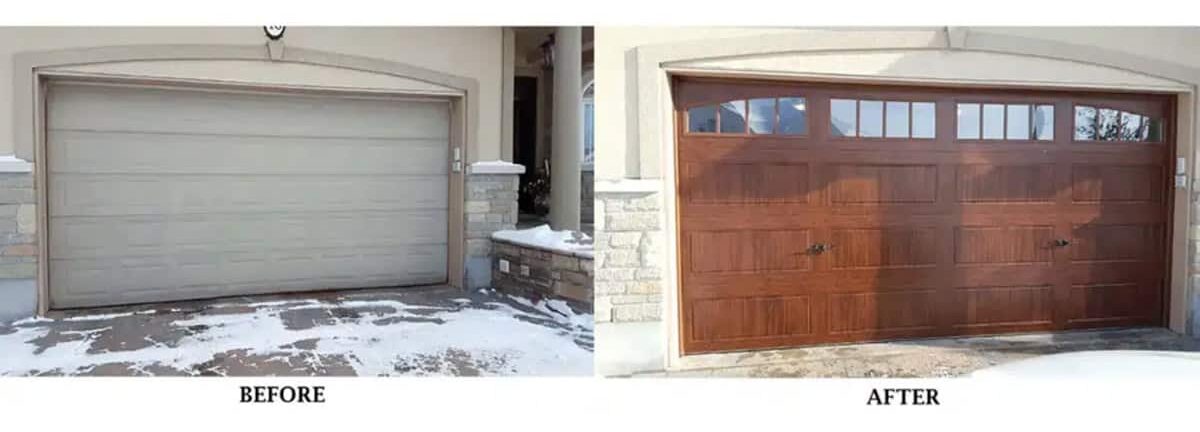
February in Canada acts as a relentless crucible for residential hardware. While homeowners often retreat indoors to wait for the thaw, this specific month represents the most strategic opportunity to replace an aging or failing garage door.
Relying on a system that has already been battered by three months of sub-zero temperatures, salt-laden slush, and high-velocity winds is a gamble that often ends in a total mechanical breakdown during the most inconvenient morning commute. By upgrading now, a household shifts from a reactive state of emergency repairs to a proactive state of enhanced efficiency and security.
The Strategic Superiority of a February Garage Door Upgrade
The middle of winter is typically the quietest season for the construction and home improvement industries. This lull creates a unique advantage for the savvy consumer. While the spring and autumn months see a massive surge in demand that leads to weeks of waiting, February offers a streamlined experience with faster turnaround times and more flexible scheduling.
Choosing to install a new garage door now ensures that the project is completed with meticulous attention to detail, as technicians are not rushing to meet the demands of a hundred other homeowners during the May peak.
The immediate impact on the home’s thermal performance is also undeniable. In the depths of a Canadian winter, a garage attached to a house acts as a massive heat sink. An old, uninsulated door allows cold air to penetrate the garage and, subsequently, the shared walls of the living space. Replacing that door in February provides an instant thermal barrier, reducing the strain on the furnace and lowering energy costs for the remainder of the heating season.
The Evolution of Smart Access and Home Security
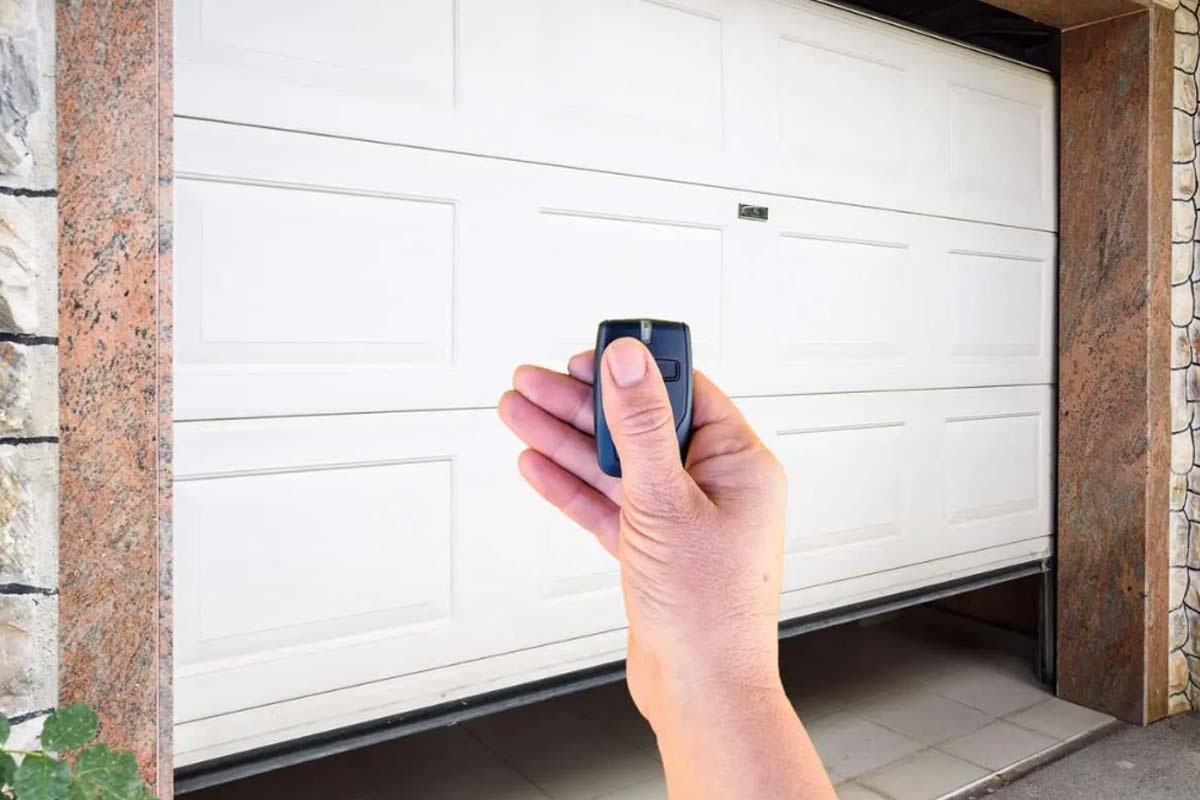 Modern entrance systems are no longer just sheets of steel; they are integrated components of a secure home network. According to a study, smart garage doors can be controlled using smartphones, enhancing home security and convenience (Maturi et al., 2023). This technological shift is particularly valuable during the winter months.
Instead of fumbling with frozen locks or standing in a snowdrift to check if the door is closed, a homeowner can monitor and operate the entrance from the warmth of their vehicle or office.
These smart systems offer real-time alerts and “auto-close” features that are critical when extreme cold might cause a door to stick or fail to close completely. Integrating this technology during a February installation ensures that the home remains a fortress against both the elements and potential intruders, providing peace of mind during the long, dark nights of the season.
Technical Comparison: Insulation Types and Performance
When selecting a new residential garage door in Ottawa, understanding the materials is essential. The R-value measures thermal resistance; the higher the number, the better the door keeps the heat in and the cold out.
(To graphics team: Kindly make a table for the data below.)
| Feature | Polystyrene (Styrofoam) | Polyurethane (Injected Foam) |
|---|---|---|
| R-Value Range | 6.0 to 10.0 | 12.0 to 18.0+ |
| Structural Integrity | Moderate; panels can dent | High; foam bonds to steel skins |
| Thermal Break | Often has gaps at the edges | Seamless; fills every corner |
| Noise Reduction | Moderate | Excellent; dampens vibrations |
| Best For | Detached, unheated garages | Attached garages and heated spaces |
Choosing a polyurethane-injected door in February provides the most significant return on investment. The foam expands during the manufacturing process, filling every void between the steel skins and creating a rigid, highly insulated panel that resists the warping often caused by the extreme temperature differential between the warm interior and the freezing exterior.
The Mechanical Toll of the Deep Freeze
February is when “fatigue” becomes a physical reality for mechanical components. The hardware that operates the door (the rollers, hinges, and tracks) must fight against hardened grease that has the consistency of peanut butter. This internal friction places an immense load on the electric opener and the torsion springs.
Every time the door opens in sub-zero weather, the metal components undergo thermal stress. If the door is already near the end of its life cycle, this stress causes micro-fractures in the steel. Waiting until the spring thaw to replace the door often means paying for emergency service when a spring finally snaps in late March. A February installation replaces these compromised parts with fresh, resilient hardware designed to handle the remaining weeks of winter without fail.
Protecting the Opener from Overexertion
The garage door opener is often the most neglected appliance in the home. It is designed to guide the door, not lift its entire weight. That heavy lifting is supposed to be done by the springs. However, in the winter, when moisture gets trapped in the panels and ice adds weight to the bottom seal, the door becomes significantly heavier.
If the opener is forced to pull this extra weight day after day, the plastic drive gears inside the motor unit will eventually strip. Installing a new, perfectly balanced door in February immediately relieves this pressure. A professional installation ensures that the door can be lifted with a single hand when disconnected, allowing the opener to function smoothly and extending its lifespan by years.
Enhancing Curb Appeal During the Gray Months
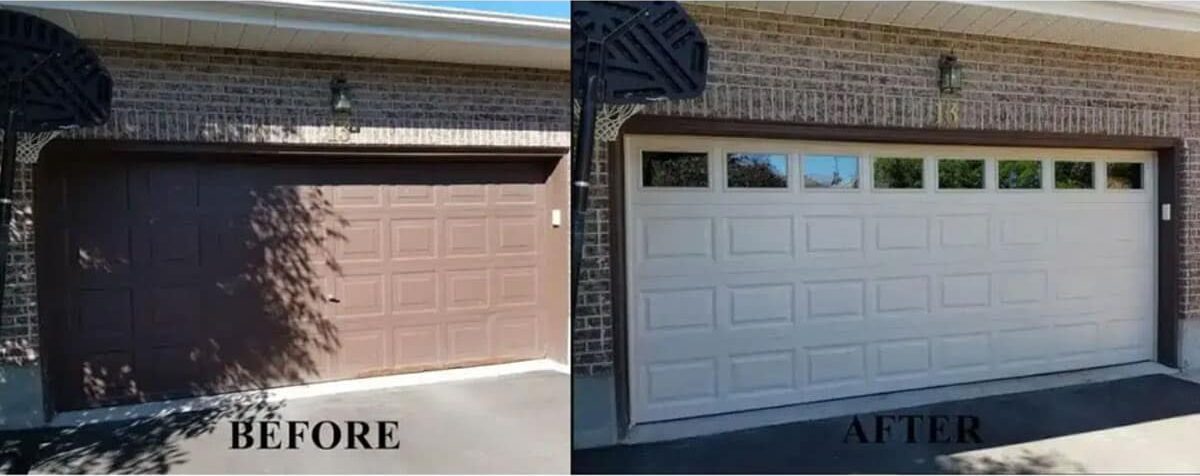
February can be a visually dull month, with gray skies and dirty snow piles. A new door provides an immediate aesthetic lift that changes the entire character of the home. Modern designs offer a variety of window configurations, decorative hardware, and “wood-grain” finishes that look like natural oak or walnut but require none of the maintenance.
Replacing a dented or rusted door in the middle of winter sends a strong message of home pride. It transforms the largest architectural feature of the house from an eyesore into a statement piece.
For those considering selling their home in the spring, a February installation ensures that the property is “photo-ready” as soon as the snow melts, giving the listing a competitive edge in a crowded market.
Clearing the Path for Spring Projects
By the time April arrives, most homeowners have a long list of outdoor tasks, from landscaping to deck repairs. A garage door replacement is a major project that requires a clear driveway and several hours of dedicated time. Scheduling this in February means that by the time the first green shoots appear, the garage is already secure, insulated, and fully functional.
You avoid the frustration of trying to book a technician during the “busy season” and can instead focus on enjoying the return of warmer weather. It is the ultimate “check-off” for your home maintenance list, completed when your time is less in demand for other outdoor activities.
Why Professional Expertise Is Essential for Winter Installs
While some property owners may consider attempting a replacement themselves, the complexities of a winter installation demand professional expertise. The margin for error is significantly tighter when dealing with frozen ground and high-tension systems.
Warning: Torsion springs are under enough tension to cause catastrophic injury or death if handled without specialized tools and training. In the winter, metal becomes more brittle, increasing the risk of a spring snapping during the winding process.
The Precision of Professional Calibration
- Spring Tensioning: A professional uses specialized winding bars to ensure the springs are tensioned to the exact weight of the door. In February, this requires an understanding of how cold affects steel elasticity.
- Track Alignment: If the vertical and horizontal tracks are not perfectly parallel, the rollers will bind. A professional installer uses laser levels to ensure the door moves with zero resistance, which is vital for preventing motor burnout.
- Weather Sealing: The perimeter weatherstripping must be installed with a specific “compression” to be effective. If it is too tight, the door will stick; if it is too loose, heat will escape. A technician knows how to adjust these seals even when the materials are less pliable due to the cold.
- Balance Testing: Professionals perform a comprehensive balance test, ensuring the door stays put when left halfway open. This is the only way to guarantee that the high-tension cables and pulleys are working in harmony.
Attempting to handle these tasks without a professional background (especially while standing on potentially icy garage floors) is a safety gamble that is simply not worth taking. Professional installers will also provide a labour warranty, ensuring that if any adjustments are needed as the ground shifts during the spring thaw, the homeowner is covered.
Take Control of Your Home’s Performance Today
There is no reason to spend another morning wondering if your exit will be blocked by a mechanical failure. Transitioning to a high-performance, insulated system is a decision that pays dividends in comfort, security, and lower utility bills. A February upgrade is a mark of a homeowner who understands that the best time to fix a problem is before it becomes a crisis.
Capital Garage Door Ottawa provides the safety and precision required for a seamless garage door installation in Ottawa. Stop fighting your old, noisy door and switch to a modern, smart-controlled entrance. Call us today at (613) 604-9779 for a durable, professionally balanced system.