
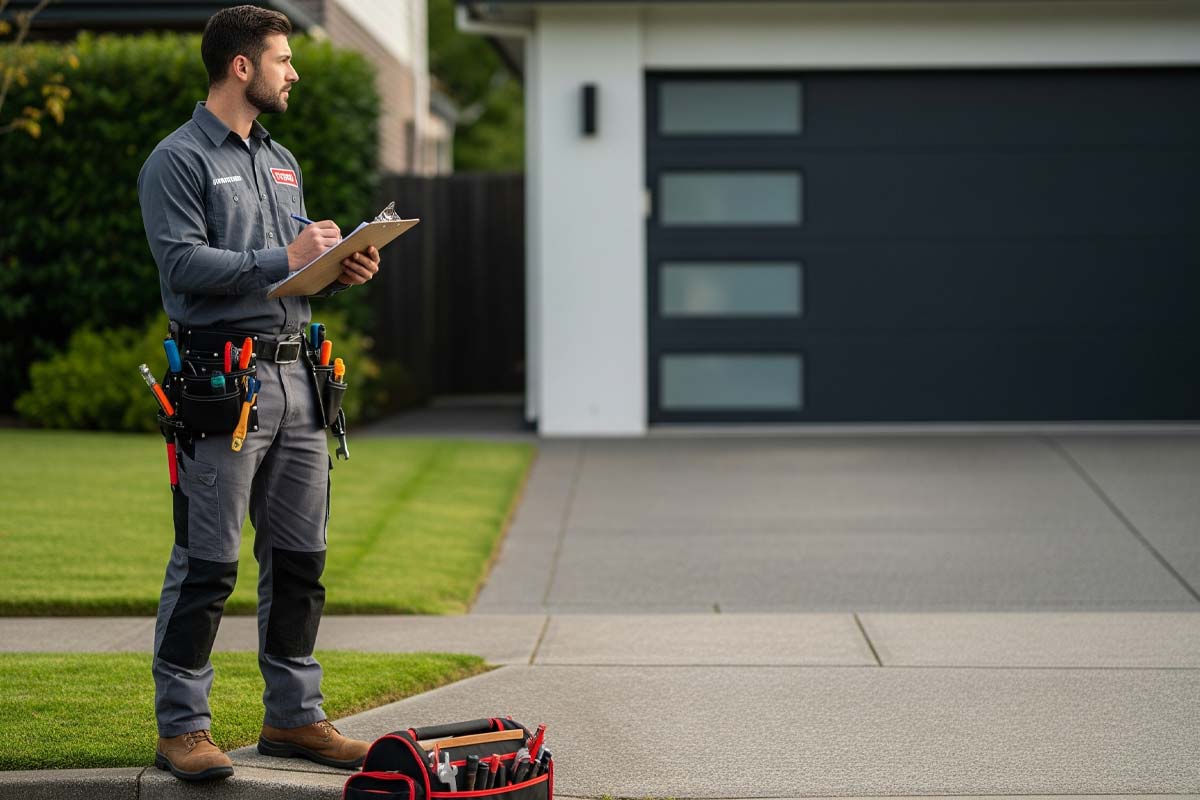
That chill that creeps into your home during a blustery Canadian winter, or the unwelcome heat that soaks your garage on a sweltering summer day – your garage door could be a significant culprit. Often overlooked in the quest for energy savings, this large opening can be a major source of thermal transfer, impacting your comfort and driving up your energy bills.
In a climate as diverse as Canada’s, ensuring your garage door is energy efficient is not just about saving money; it’s about creating a more comfortable and sustainable living space. From simple fixes to more substantial upgrades, there are numerous ways to improve your garage door’s energy performance and keep your hard-earned dollars from escaping into the elements.
The Silent Energy Drain: Insulation is Key
The most significant factor in your garage door’s energy efficiency is insulation. Many older garage doors are uninsulated, essentially creating a gaping hole in your home’s thermal envelope. Heat readily escapes in the winter, and unwanted heat pours in during the summer. Upgrading to an insulated garage door can make a dramatic difference.
Insulated doors typically feature a core of polyurethane or polystyrene foam sandwiched between steel or aluminum layers. The R-value, which measures thermal resistance, indicates the level of insulation – the higher the R-value, the better the insulation.
When considering a garage door replacement in Ottawa, prioritizing an insulated model is a smart investment that pays dividends in energy savings and comfort.
Sealing the Deal: Weatherstripping and Bottom Seals
Even a well-insulated door can lose energy through gaps around its perimeter. Properly functioning weatherstripping along the top and sides of the door, as well as a tight-fitting bottom seal, are crucial for preventing air infiltration. Over time, weatherstripping can become cracked, brittle, or damaged, creating pathways for drafts and heat loss.
Regularly inspect your weather seals and replace them if you notice any signs of wear and tear. A good quality bottom seal should create a tight barrier against the concrete floor, even if the surface is slightly uneven. Consider using a thicker, more durable bottom seal for enhanced protection against the elements.
The Role of Windows: Balancing Light and Insulation
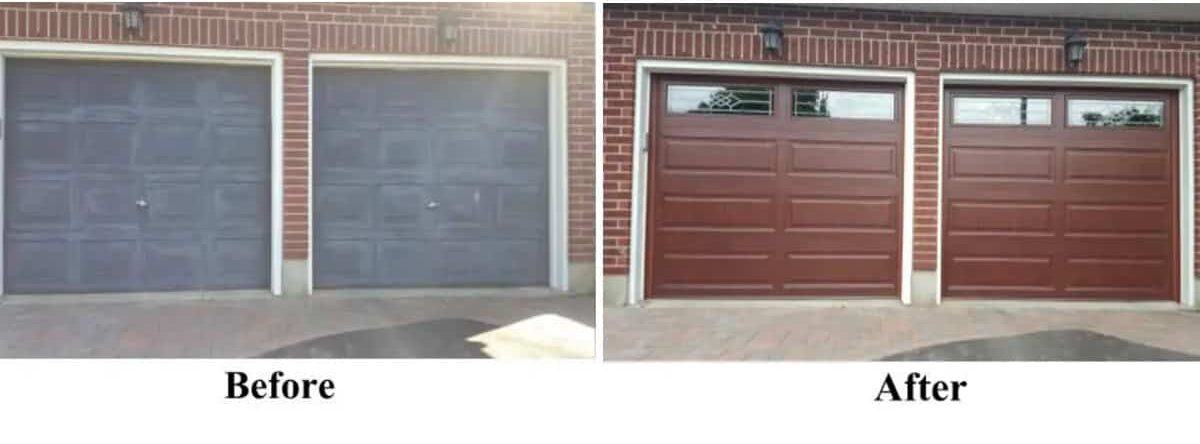 Garage door windows can add natural light and enhance the aesthetic appeal of your home. However, single-pane glass windows can be a source of heat loss in winter and heat gain in summer. If your garage door has windows, consider upgrading to double-pane or even triple-pane windows for improved insulation.
Look for windows with low-emissivity (low-E) coatings, which help to reflect heat and further enhance energy efficiency. Another option is to choose insulated window panels or even forego windows altogether if energy efficiency is a top priority.
Opener Efficiency: Smart Choices for Reduced Consumption
The garage door opener itself consumes energy, albeit a relatively small amount. Newer, more energy-efficient openers often have features like standby modes that minimize power usage when the door is not in operation. Consider upgrading to an opener with an energy-efficient motor.
Ensure that your opener is properly adjusted as well. A struggling or misaligned door will put extra strain on the opener’s motor, leading to increased energy consumption and potential premature failure. Regular maintenance and lubrication can help your opener run smoothly and efficiently.
Monitoring Air Leakage: The Blower Door Test
For homeowners serious about maximizing their home’s energy efficiency, a blower door test can provide valuable insights. According to a study, blower doors measure air tightness and air leakage in building envelopes, aiding in understanding the construction quality of the building envelope and improving indoor air quality in existing dwellings (M. Sherman, 1995).
While typically used to assess the entire home, a blower door test can also highlight significant air leaks around your garage door, even those you might not be able to see or feel. Identifying these leaks can help you pinpoint areas needing better sealing or insulation.
Regular Maintenance: The Key to Long-Term Efficiency
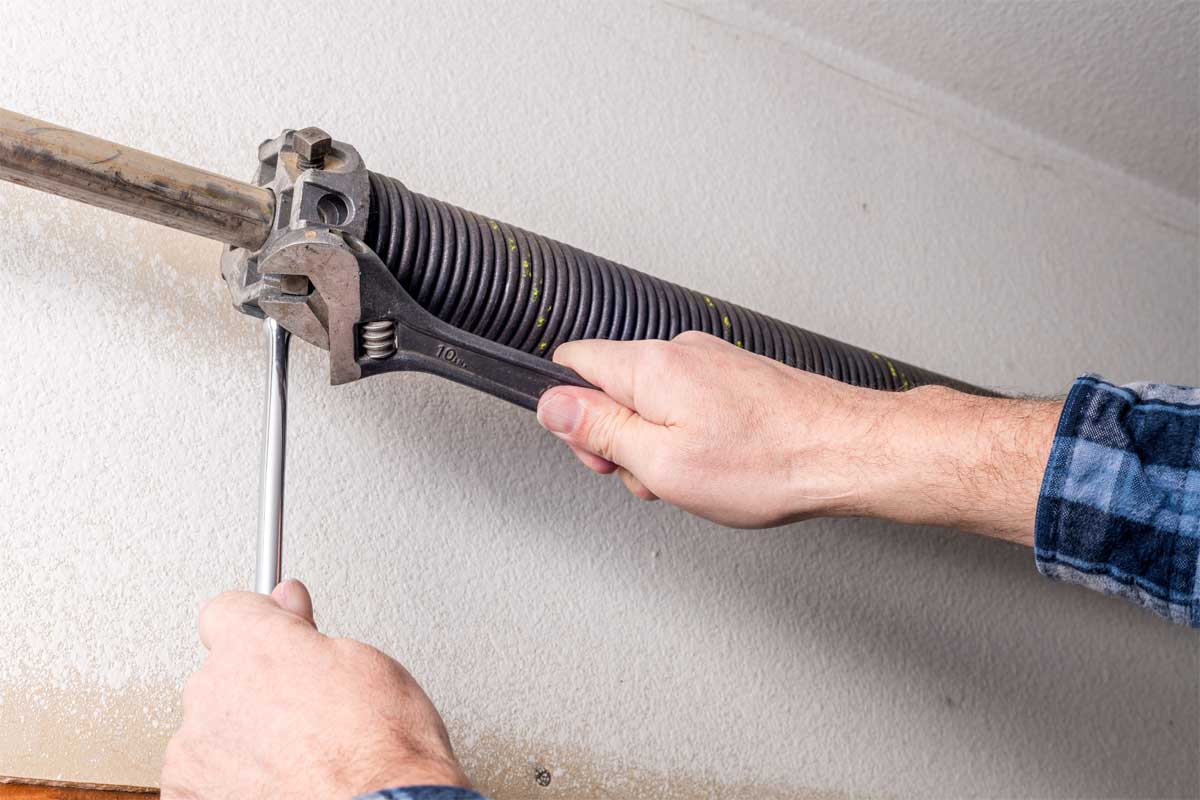 Like any mechanical system, your garage door requires regular maintenance to operate efficiently. Lubricating moving parts, tightening hardware, and ensuring proper alignment can all contribute to smoother operation and reduced energy consumption.
A well-maintained door won’t strain the opener as much and will create a better seal against the elements. Schedule annual professional maintenance for a thorough inspection and tune-up.
Stop the Energy Drain for Good
Don’t let an inefficient garage door bake in the summer heat, drive up your cooling costs, and compromise your comfort year-round.
For trusted, expert advice on upgrading your current setup or selecting from a wide range of high-performance, energy-efficient residential garage doors in Ottawa, the dedicated team at Capital Garage Door Ottawa is ready to help you make a smart investment that pays dividends for years to come.
Stop losing precious energy and start enjoying real savings today. Contact Capital Garage Door Ottawa at (613) 604-9779 for a friendly consultation and professional service you can count on.