
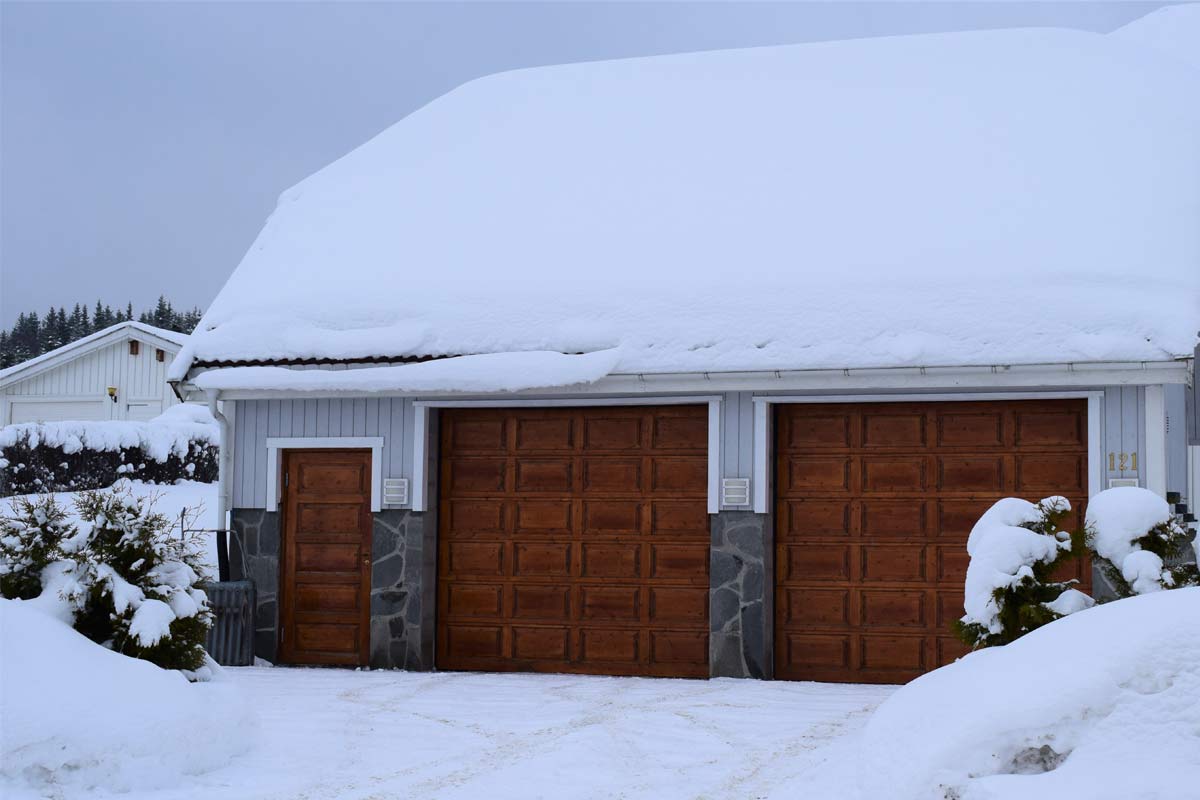
It is a quintessential Canadian winter nightmare. The thermometer reads -25°C, and you are running late. You hit the button, waiting for the door to rise. Instead, you hear a strained hum, a loud groan, and silence. The door moves an inch and slams back down. You are trapped.
This scenario plays out in thousands of driveways every winter. The panic is immediate, but the solution isn’t complicated. A frozen garage door is rarely a catastrophic failure; it is usually simple physics. Moisture and freezing temperatures have conspired to glue your exit shut. Understanding how to break this icy grip safely is essential.
The Science Behind a Frozen Garage Door
Before grabbing a shovel, understand the forces at play. It isn’t just “cold”; it is thermal contraction and adhesion. As temperatures drop, metal tracks and hinges shrink, tightening clearances. Simultaneously, lubricants fail. A study in the Journal of Tribology notes that the viscosity of standard lubricants increases exponentially in the cold, turning grease into a glue-like paste (Krupka et al., 2023).
The primary culprit, however, is the bottom seal. Snowmelt refreezes at the base, fusing the rubber weatherstripping to the concrete. This ice acts as cement, holding the door with more force than your opener can overcome. Pressing the button won’t open the door; it will only strip the motor’s gears. You must break the ice bond, not the door.
Diagnosing the Freeze: Where is the Grip?
You cannot fix the problem until you know where the ice is holding. Position yourself inside the garage and activate the opener using the wall switch. Watch the door closely.
- If the motor runs and the chain or belt engages, but the door remains motionless, the bottom seal is likely frozen to the concrete. The opener is pulling, but the ice is anchoring the door in place.
- If the door moves a few inches, shudders, and reverses, or if the movement is incredibly slow and noisy, the issue is likely in the tracks and rollers. The grease has gelled, or ice has built up inside the vertical tracks, creating a physical blockage.
- If the motor makes a clicking sound but nothing moves at all, the cold may have affected the opener’s capacitors or the logic board, or the door may be locked manually.
Once you have identified the source of the resistance, you can apply the correct countermeasure.
Releasing the Bottom Seal: The Ice Melt Strategy
If the door is frozen to the concrete, do not try to open it repeatedly with the electric opener. This is the fastest way to burn out the motor. You must break the ice seal manually.
The Manual Release Method
Your first move should be to disengage the electric opener. Pull the red emergency release cord hanging from the trolley on the ceiling. This disconnects the motor from the door, allowing you to move the door by hand. This is crucial because your hands can feel resistance that a motor cannot. If you try to lift the door manually and it won’t budge, you know for certain it is frozen to the ground.
The Heat Gun or Hairdryer Technique
This is the safest and most effective method for stubborn ice. Plug in a heat gun (on a low setting) or a hairdryer and run it back and forth along the bottom of the weatherstripping. You do not need to melt every ounce of ice; you simply need to break the bond between the rubber and the concrete. Focus on the areas where you see visible ice buildup or where the rubber looks compressed.
While applying heat, gently try to lift the door handle. Do not yank it. Apply steady, upward pressure. As the heat penetrates the rubber, the ice bond will weaken, and you will feel the door release.
The Hot Water Method (With Caution)
 If you lack a heat source, a bucket of hot (not boiling) water can work wonders. Pour the water along the base of the door where the seal meets the floor. The ice will melt almost instantly. However, this method carries a risk: you are adding water to a freezing environment.
You must open the door immediately after pouring the water and then sweep or towel dry the area thoroughly. If you leave the water there, it will refreeze within minutes, creating a worse problem than you started with.
Mechanical Breaking
If the ice is thick and accessible from the outside, you can carefully chip it away. Do not use a metal shovel or a pickaxe near the rubber seal, as you will slice right through it. Use a plastic scraper or a piece of wood to gently chip away the ice dam holding the door shut.
Addressing Frozen Rollers and Tracks
Sometimes the bottom seal is free, but the door still feels like it weighs a ton. This indicates that the metal components are frozen or the lubrication has failed.
Inspect the Vertical Tracks
Moisture from vehicles (slush and road salt) often gets kicked up into the vertical tracks. This slush can freeze overnight, creating bumps and obstacles inside the track channel. Inspect the tracks with a flashlight. If you see ice, use a heat gun or a rag soaked in warm water to melt it. Wipe the tracks dry immediately.
The Problem with Old Grease
Many homeowners or inexperienced technicians use heavy lithium grease or standard oil on garage door rollers. In July, this works fine. In November and December, that grease becomes a paste. If your rollers are dragging rather than rolling, you need to dissolve that old grease.
Use a solvent or a degreaser to wipe down the rollers and the track. Once the sticky, frozen mess is gone, apply a silicone-based garage door lubricant. Silicone does not thicken in the cold and repels moisture.
Spray the roller stems, the hinges, and the bearings. Do not spray the nylon wheels themselves, as they are designed to be self-lubricating, but ensuring the metal shaft spins freely inside the hinge is critical.
Preventing the Freeze: Long-Term Strategies
Dealing with a frozen door at 7:00 AM is a miserable experience. The best fix is ensuring it never happens again. Prevention in the Canadian climate requires managing the two enemies: water and friction.
Manage the Moisture
The ice at the bottom of your door comes from somewhere. Often, it is snow melt from your car. When you park a snowy vehicle in a slightly warmer garage, the snow melts, runs toward the cold door, and freezes. To prevent this, keep a push broom near the garage door. Sweep the slush and standing water out of the garage before you go to bed. It takes thirty seconds and saves you an hour of frustration in the morning.
You can also apply a specialized salt or ice melt product along the threshold where the door meets the concrete. However, be selective. Standard rock salt is highly corrosive to concrete and can rust the bottom section of your steel door. Look for a concrete-safe ice melt or simply use sand to prevent the rubber from sticking to the ice.
Upgrade the Lubrication Schedule
Do not wait for the door to screech before lubricating it. Make it a habit to spray the hinges, rollers, and springs with a low-temperature silicone lubricant every fall. This creates a hydrophobic barrier that prevents moisture from settling into the joints and freezing.
Check the Weatherstripping
Inspect your bottom seal. If it is cracked, brittle, or torn, it will trap water and freeze much faster than a smooth, flexible seal. Replacing an old seal with a new, high-quality rubber or vinyl insert is an inexpensive upgrade that drastically reduces the surface area available for ice to grab onto.
When Professional Expertise Is the Only Path
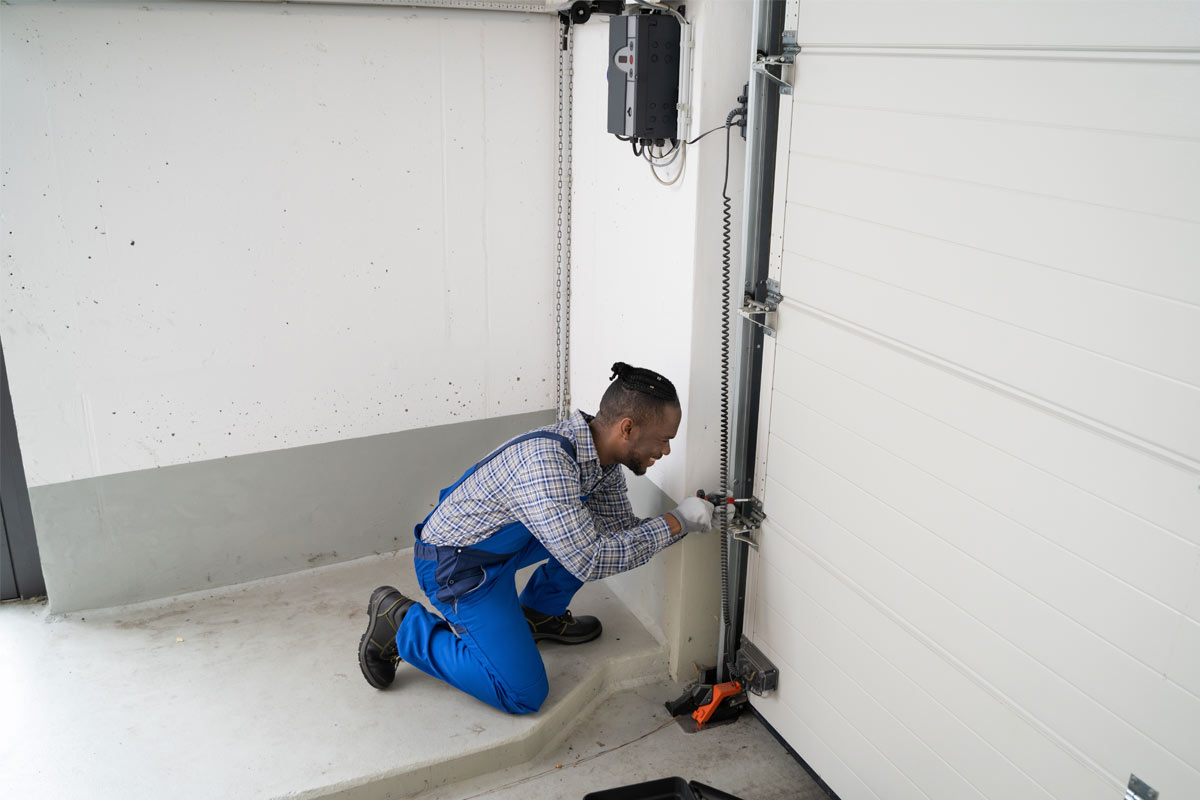 Sometimes, a “frozen” door is actually a broken door. Extreme cold makes metal brittle, frequently causing high-tension torsion springs to snap. This is a critical safety hazard; never attempt to repair springs yourself. If you forced the door and now hear a grinding noise, you likely stripped the opener’s internal gears.
Structural damage, such as buckled panels or warped tracks, moves you from maintenance to repair. This is often the right time to consider an upgrade. When planning a new garage door installation in Ottawa, professional advice ensures you select an insulated model designed to withstand Canadian winters. Technicians have the tools to check balance, tension, and alignment, ensuring a permanent, safe fix rather than a temporary patch.
Don’t Let Winter Lock You In
Winter is challenging enough without your home fighting back. By understanding the science (metal contraction and ice adhesion) you can take calculated steps to free your door safely, from melting the seal to proper lubrication.
However, when the cold wins and mechanics fail, do not risk your safety. We are Capital Garage Door Ottawa, the trusted experts for residential garage doors in Ottawa. If you are stuck in the cold, call us at (613) 604-9779 to get your day back on track fast.