
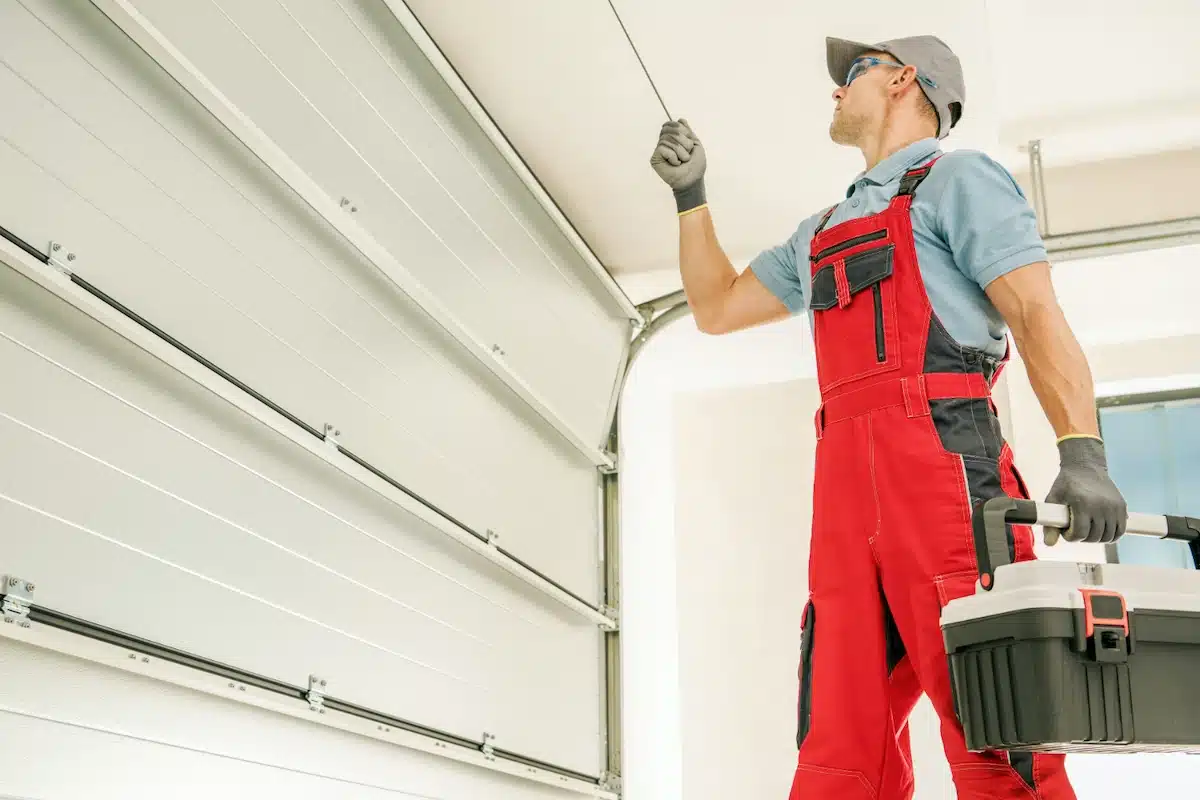
Once you have chosen a new garage door, the next step is getting ready for installation day. For many homeowners, this is unfamiliar territory. It may not be clear how much space the installers need, how long the garage will be unavailable or what happens between removing the old door and testing the new one.
Installation involves more than attaching new panels. The tracks, springs, cables, opener and safety systems all have to work together, and the finished door must be aligned and balanced.
Preparation Begins With the Opening
Before the door is ordered, the garage opening should be measured and assessed. The installer needs to know its width and height, the room available above and beside it and the depth required for the tracks.
Those measurements determine more than the size of the door. They also shape the track configuration, the spring system and the opener setup. Limited headroom, unusual framing or an opening that is not square may call for a different approach.
The mounting surfaces have to be strong enough to carry the new hardware. Catching framing or clearance problems early reduces the chance of delays once the old door is off.
Preparing Your Garage for the Installers
The installation team needs safe access to the opening, the ceiling area and both sides of the track system. A little preparation goes a long way:
- Move vehicles out of the garage and clear the driveway in front of it so the door sections and tools can be brought in.
- Clear stored items away from the door and from beneath the tracks.
- Remove anything hanging near the existing opener or hardware.
- Keep children and pets away from the work area.
- Make sure the installers can get into the garage and reach the electrical outlets.
The whole garage does not need to be emptied. The goal is enough room to handle large door sections and long pieces of track safely.
If the garage is your usual way into the house, plan to use another entrance while the work is underway.
Removing the Existing Garage Door
Replacement starts with disconnecting the opener and safely releasing the tension held by the spring system. The old panels are then separated and taken down in sequence.
Tracks, brackets and other hardware come off as well unless they will be reused. That leaves the opening clear for inspection and preparation.
Taking the old system apart can reveal problems that were hidden before. The wood behind the tracks may have deteriorated, old fasteners may have damaged the mounting area or the opening may be less level than it looked. Minor corrections can often be made during installation, but significant structural damage may need to be dealt with before the new door can be secured.
Installing and Balancing the New Door
A sectional garage door is assembled from the bottom up. The first panel has to be positioned and levelled carefully because it sets the alignment for every section above it.
The remaining panels are added and joined with hinges. Rollers and tracks go in as the door takes shape, followed by the spring and cable system selected for the door’s weight and dimensions.
Once the door is assembled, it has to be balanced. The springs should offset its weight so it moves smoothly without the opener doing the lifting. A door that feels heavy, rises unevenly or will not stay in position needs further adjustment.
Balance and alignment directly affect how long the system lasts. A door can look right from the driveway while still creating extra resistance inside the tracks.
Proper garage door installation depends on accurate alignment, balance and adjustment of the complete system.
Connecting the Garage Door Opener
A new garage door does not automatically require a new opener. An existing unit can stay if it is in good condition, has enough capacity and has working safety features.
Even when the opener is kept, its connection and settings have to be adjusted for the new door. The opener arm needs to be positioned correctly, and the travel and force settings must match the finished installation.
An aging or unreliable opener may be worth replacing while the new door is going in. Doing both together allows the door and opener to be set up as one system.
How Long Installation Usually Takes
A straightforward residential replacement can often be finished within several hours, but no single timeline fits every job.
Removing an existing system takes longer than working with a prepared opening. A double door, heavier insulated sections or a custom track arrangement can also extend the work. Adding a new opener means more time, since the motor, rail, controls and safety sensors all have to be mounted, programmed and tested.
The condition of the garage matters too. Framing damage, limited clearance or an uneven opening may need to be corrected before installation can continue.
After reviewing the opening, the door you have selected and the full scope of work, the installer should give you a realistic timeframe.
Final Testing and Walkthrough
Installation is not finished when the last piece of hardware is attached. The whole system needs to be operated, adjusted and tested.
Before the installers leave, confirm the following:
- The door opens and closes smoothly, without scraping or binding.
- The panels and tracks stay aligned throughout the movement.
- The door is balanced, and the springs, cables, rollers and hinges operate evenly.
- The opener stops in the correct positions.
- The photo-eye sensors and automatic-reversal system work properly.
- Remotes and keypads work as expected.
- The manual release can be operated and reconnected.
- The bottom seal meets the floor as evenly as the opening allows.
This is also the time to ask about maintenance, warranty information and any components kept from the previous system. If the old opener or other hardware was reused, knowing exactly which components were kept will help during future service.

Request a Free Installation Estimate
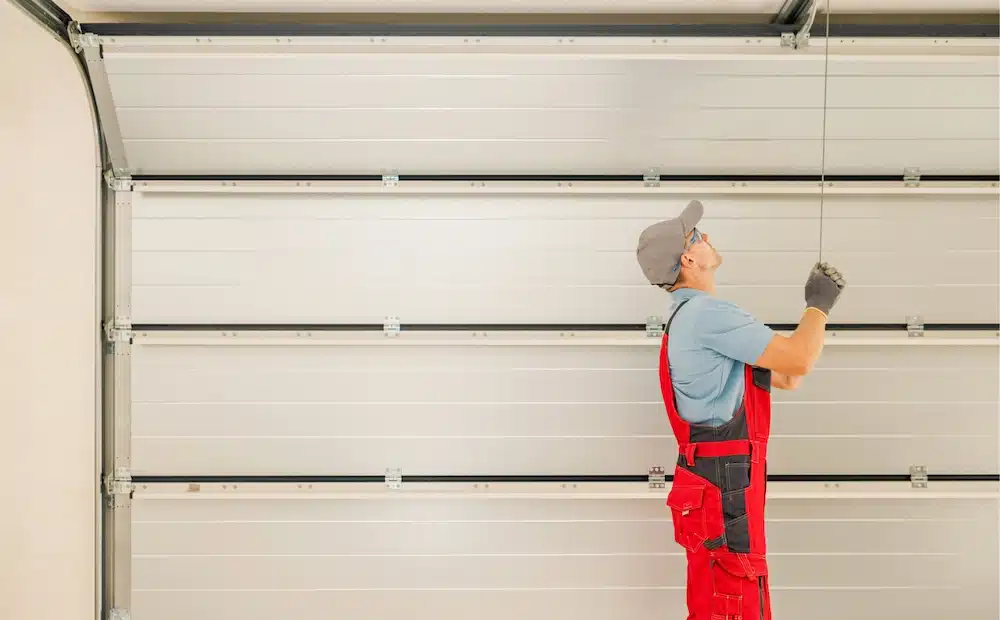
If you are planning a new garage door, request a free estimate from Capital Garage Door Ottawa. The team can assess your garage, discuss suitable door options and explain what installation will involve for your property.
Frequently Asked Questions
How long does it usually take to install a new garage door?
A straightforward residential replacement can often be finished within several hours. A double door, insulated sections, a custom track setup or a new opener can extend that, as can framing damage or an uneven opening found once the old door is removed. The installer can give you a realistic timeframe after reviewing the opening and the scope of work.
What are the steps involved in installing a garage door?
The opening is measured and assessed, the old door is removed and the tension in its springs is safely released. The new door is then assembled from the bottom panel up, with hinges, rollers, tracks, springs and cables added as it goes. Once the door is balanced, the opener is connected and adjusted, and the whole system is tested, including the safety sensors and the manual release.
Will the installer show me how to operate the manual release?
The installer should explain how the emergency release works and how to reconnect the opener. Do not use the release while the door is open unless you understand the door’s condition and the manufacturer’s instructions, as an unbalanced door can fall.
Is garage door installation difficult?
It is not a simple DIY project. The door is heavy, and the springs and cables hold a great deal of tension, which makes mistakes in handling or adjustment dangerous. Balancing the door and setting the opener correctly also take experience. Professional installation is the safer choice.
What hardware comes with a new garage door?
This varies by manufacturer and model, but a new door typically includes the panels, hinges, rollers, tracks, brackets, springs, cables and bottom seal. Handles or locks may be included depending on the door. The opener is usually sold separately, so confirm what is and is not part of your quote.
How much does it cost to install a garage door?
Labour depends on the size of the door, whether it is a single or double, the weight of insulated sections, the track configuration and whether an opener is being installed. Removal of the old door and any repairs to the opening can add to the total. An on-site assessment is the most reliable way to get an accurate figure, because the installer can measure the opening and confirm the full scope of work.
Do I need to remain home for the entire installation?
Someone should be available at the start to provide access and confirm the work. It is also helpful to be there for the final walkthrough, testing and operating instructions. Ask the installer beforehand whether you need to stay for the full appointment.
Will the installers remove the old garage door?
For a replacement installation, the old door must be taken down before the new one can be installed. Confirm when booking whether disposal of the old panels and hardware is included so you are not left with them afterward.